
DIY renovation safety deserves a place at the start of every project, not as a last-minute reminder after the materials are already in the driveway. Homeowners are taking on repairs, updates, and finish work for cost control and scheduling reasons, but the risk profile changes quickly once a project involves height, wiring, dust, demolition, heavy materials, or unfamiliar tools. A careful plan does not remove every hazard, but it can separate reasonable owner-led work from jobs that call for qualified trades.
The evidence from professional construction is useful because many hazards are shared with home projects, even if a homeowner is not subject to the same workplace rules. In FY 2025, from October 2024 through September 2025, OSHA conducted 30,273 workplace inspections, including 16,311 unprogrammed inspections and 13,962 programmed inspections, according to its current enforcement summary. That does not mean a bathroom refresh is the same as a commercial job site. It does mean falls, eye injuries, ladders, debris, and work planning are not minor details.
DIY Renovation Safety Starts With Risk Sorting
DIY Renovation Safety Questions Before Buying Materials
Before buying tile, paint, fasteners, or rental tools, sort the project by consequence rather than by confidence. Painting a bedroom wall is low consequence if the surface is sound and the work stays on the floor. Removing a wall, replacing a roof section, altering wiring, or changing plumbing can create damage or injury that is far beyond the price of hiring help at the start.
A practical risk screen should ask four questions: Could a fall cause serious injury? Could a mistake create fire, shock, water damage, gas exposure, or structural movement? Could dust or debris contain hazardous material? Could the work affect children, visitors, pets, or neighbors? If the honest answer is yes, the plan should shift from full DIY to consultation, inspection, or professional installation.
DIY renovation safety is not about avoiding every project. It is about matching the task to your skill, equipment, time, and tolerance for risk. Many homeowners can handle planning, demolition prep, painting, hardware swaps, light assembly, landscaping, and cleanup. High-risk work belongs with licensed or qualified professionals, especially roofing, electrical service work, gas lines, structural changes, major plumbing, and anything requiring permits or inspections in your local area.
Use A Stoplight Test For Project Scope
A stoplight test keeps decisions grounded. Green work is low-height, low-dust, non-structural, and reversible. Yellow work may be possible for experienced homeowners but should include product manuals, proper protective equipment, a second adult nearby, and a clear stop point. Red work has a high consequence of failure and should be priced with professional labor from the start.
| Risk Level | Typical Home Project | Safer Decision |
|---|---|---|
| Green | Painting, cabinet pulls, simple shelving, basic yard cleanup | DIY with planning, ventilation, and protective gear |
| Yellow | Tile repair, minor drywall repair, tool rental, limited demolition | DIY only if the method is clear and hazards are controlled |
| Red | Roofing, electrical panel work, gas lines, structural changes | Hire a qualified professional |
Falls And Heights Deserve A Conservative Plan
Why Ladder And Roof Work Changes The Equation
Falls are one of the clearest reasons to be cautious about DIY scope. The U.S. Bureau of Labor Statistics reported that in 2024, private-sector construction had 1,034 fatalities, with 389 due to falls, slips, and trips; nearly 96 percent of those were falls to a lower level, according to the BLS report on fall hazards in construction. Those figures come from workplaces, not weekend projects, but the physics of a fall do not change at home.
This is where cost-saving instincts can become expensive. Cleaning gutters, patching roof edges, replacing upper-story trim, and carrying materials on stairs may look simple from the ground. The risk rises with height, weather, fatigue, awkward reaches, and the need to carry tools or materials. If a job requires roof access, extended ladder work, or working near an opening, a conservative homeowner should consider professional help rather than trying to improvise.
A safe plan also accounts for other people in the home. Children should be kept away from ladders, tools, stacked materials, and open windows during renovation work. Research notes for this topic flagged window falls as a serious child safety concern, so window replacement, trim repair, and upper-floor work should include child-safe staging and supervision. If the work area cannot be isolated, the project timing or labor plan needs to change.
Do Not Let A Small Repair Become A Height Job
Many projects start as small repairs and quietly expand. A homeowner may plan to paint fascia, then discover rot. A simple light fixture swap may reveal damaged wiring. A deck board replacement may expose ledger or framing concerns. The right response is not to push through because the tools are already out. Stop, document what you found, and bring in the right trade if the work has moved into roofing, electrical, structural, or major exterior repair territory.
Tools, Dust, And Protective Gear Need A Budget Line
Tool Choices Should Fit The Job, Not The Sale
A practical DIY budget should include protective eyewear, gloves suited to the task, hearing protection when using loud equipment, respiratory protection where dust is expected, and safe storage for blades, batteries, and chemicals. Those items may feel secondary compared with flooring or fixtures, but they are part of the real project cost. Skipping them to preserve the visible budget is a poor trade.
Tool buying deserves the same caution. A feature-heavy tool does not make an unsafe task safe, and a rental tool is not harmless just because it is available at a local counter. Read the manufacturer’s manual before use, inspect guards and cords, and avoid using a tool for a task it was not designed to perform. If a smart tool or measuring device may improve layout accuracy, weigh its setup time, safety fit, and real value; this related piece on practical modern DIY tools is useful for that type of buying decision.
A practical DIY renovation safety plan also includes cleanup. Nails, broken tile, splinters, dust, and offcuts can injure people after the work session ends. Bag sharp debris, keep walkways clear, and set a daily reset time so the home does not become a job site for the entire household.
Dust And Older Materials Require Extra Caution
The research notes for this topic reference updated federal lead-safe renovation guidance in March 2026 for pre-1978 homes and child-occupied facilities. Because only selected source links are being used here, treat that as a cue to verify current official guidance before disturbing old paint, plaster, or coated trim. If there is a chance that lead, asbestos, mold, or other hazardous material is present, do not sand, scrape, or demolish first and ask questions later. Testing and qualified remediation are safer than guesswork.
Plan The Budget Around Professional Help
Hybrid Renovation Can Be More Cost-Effective Than Full DIY
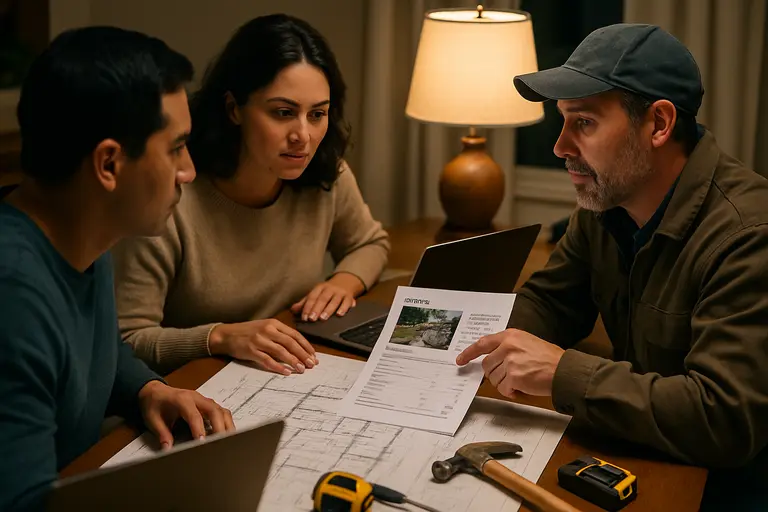
Cost control is often the reason homeowners take on renovation work, but full DIY is not always the lowest-risk or lowest-cost path. A hybrid plan can preserve savings while placing high-risk tasks with professionals. For example, a homeowner might handle room clearing, finish painting, hardware selection, and final cleanup while hiring licensed trades for wiring, plumbing, roofing, or structural work.
That approach also reduces schedule pressure. People make poorer safety decisions when they are tired, rushing before a workweek, or trying to finish before guests arrive. Build the calendar with rest time, delivery delays, inspection needs, and cleanup days. If the only way to finish is to work late, climb when tired, or use unfamiliar tools without preparation, the schedule is not realistic.
For broader planning inspiration from a home network partner, consider J. Siemering Homes for insights while you separate design goals from the work that should be assigned to skilled trades.
Set A Written Stop Point
Every project should have a written stop point before work starts. Stop if you find damaged wiring, unknown pipes, water intrusion, structural movement, suspected hazardous material, hidden rot, or any condition that makes the work materially different from the plan. Stop if a required tool guard is missing, a ladder setup feels unstable, or the work cannot be done without overreaching. Calling a professional after a warning sign is not failure; it is disciplined project management.
- Hire qualified professionals for roofing, electrical, gas, structural, and major plumbing work.
- Confirm whether permits or inspections are required through local official channels before starting.
- Keep children and pets out of active work zones and material storage areas.
- Budget for protective gear, debris control, and cleanup before buying finish materials.
- Pause the project when hidden conditions change the scope.
Safety First: DIY Renovation Safety Amid The Renovation Surge
The strongest DIY projects are not the ones that prove a homeowner can do everything. They are the projects that improve the home while keeping risk, cost, and skill demands in balance. DIY renovation safety works best as a planning system: sort the job by consequence, respect fall hazards, buy protective gear before finish materials, and assign high-risk work to qualified professionals.
That mindset is especially useful during a renovation surge, when inspiration can spread faster than careful planning. A project may look simple in a short video or photo sequence, but the missing context often includes permits, helpers, trade experience, failed attempts, and professional backup. Homeowners should take the useful ideas, then slow the project down enough to make safe decisions.
If the task is low-risk, well understood, and properly equipped, DIY can be satisfying and cost-conscious. If the task involves height, electricity, gas, structural elements, hazardous materials, or unclear hidden conditions, the safer move is to bring in a qualified professional before the project creates a bigger problem than it was meant to solve.