
Functional outdoor kitchens are showing up less as occasional entertainment add-ons and more as planned work zones for everyday cooking, serving and storage. The 2026 Houzz data supports that shift: among homeowners renovating or recently renovating outdoor spaces, 48% included outdoor cooking areas in their designs, according to the 2026 U.S. Houzz Outdoor Trends Study, which surveyed homeowners from April 25 to May 6, 2026 Houzz Outdoor Trends Study.
That does not mean every patio needs a full kitchen. It does mean homeowners are making more permanent decisions outside: utility runs, built-in storage, appliance placement, coverage and traffic flow. Those choices can improve daily use, but they also raise the need for careful planning and qualified trade work. For a broader perspective on home project planning, explore J. Siemering Homes, which provides insights into larger residential project strategies that can help define the scope before choosing materials or appliances, at J. Siemering Homes.
Why Functional Outdoor Kitchens Are Moving Beyond Grills
What Functional Outdoor Kitchens Include In 2026
The data shows functional outdoor kitchens are no longer defined by a grill alone. Among outdoor cooking areas included in 2026 projects, Houzz reported built-in components such as grills at 85%, beverage refrigerators at 62%, sinks at 59%, cooktops at 36%, pizza ovens at 29% and televisions at 38%. Those numbers point to a broader design brief: keep cold drinks nearby, reduce trips indoors, support food prep and create a place where people can stay outside for longer periods.
The practical lesson is to start with behavior, not appliance count. A homeowner who grills twice a week may get more value from counter space, weather-resistant storage and a sink than from stacking specialty appliances into a tight footprint. A family that uses the patio mainly after work may care more about lighting, easy cleanup and safe walking paths than a larger cooking line. The Houzz numbers show what is popular, not what is automatically useful for every home.
Comfort Is Beating Resale As The Driver
Houzz’s 2026 findings also suggest that comfort is a stronger motivator than resale. In the outdoor trends study, 25% of homeowners cited making outdoor spaces more accommodating, up from about 22% in 2024. By comparison, 15% cited improving resale value, down from about 18% in 2024. That matters for planning because a comfort-driven project should be judged by how it fits daily routines, not by vague assumptions about market appeal.
For homeowners comparing priorities across the property, the same discipline used for interior remodeling applies outdoors. A kitchen that works well inside is not defined only by its most expensive appliance; the same is true outside. If the project competes with other upgrades, such as interior cooking space, it may help to read about 2026 kitchen remodel priorities before committing budget to a second cooking zone.
Infrastructure Choices That Raise The Stakes
New Systems Need Professional Planning
Outdoor kitchens are becoming more infrastructure-heavy. Houzz reported that 68% of outdoor kitchen projects in 2026 included new plumbing, electrical or heating systems, up 10 percentage points from 2024 Houzz outdoor remodeling trends. That is one of the clearest signs that these projects are moving from patio furnishing to construction planning.
This is also where DIY boundaries become firm. Homeowners can often take part in early planning, product research, measuring and non-hazardous prep, but gas lines, electrical circuits, plumbing connections, drainage, structural supports and heating systems should be handled by qualified professionals. Outdoor conditions add exposure to moisture, temperature changes and wind, so work that might already be high-risk indoors deserves even more caution outside.
Before buying appliances or cabinets, ask what systems each choice requires. A beverage refrigerator needs power and weather-suitable placement. A sink needs water supply and drainage decisions. A cooktop or grill may require fuel planning. A television changes shade, glare and power needs. None of those are reasons to avoid the project, but they are reasons to price and schedule trade work before ordering visible finishes.
Storage Is Becoming A Real Design Requirement
Built-in cabinetry and storage appeared in 37% of outdoor kitchen renovations in the 2026 Houzz reporting, a 15-point increase from 2024. Storage is easy to treat as secondary, yet it often determines whether the space is used regularly. If utensils, cleaning supplies, grill tools and serving items all have to be carried from the indoor kitchen each time, the outdoor setup may feel inconvenient despite expensive equipment.
Storage planning should be specific. List what will live outside full time, what will be carried out only for meals and what should never be stored outdoors. Then match that list to cabinet count, drawer depth and sheltered zones. Do not assume every cabinet marketed for outdoor use will suit every exposure condition; confirm manufacturer guidance and ask the installer how the cabinets will be supported, leveled and protected.
Coverage And Layout Decisions Need More Scrutiny
Partial Cover May Be The Compromise
Coverage choices are changing. In 2026, fully covered outdoor kitchens dropped to 44%, down 7 points, while partially covered kitchens rose to 30%, up 7 points. Uncovered kitchens held steady at 26%. That mix suggests homeowners are trying to balance shelter with openness rather than enclosing the whole cooking zone.
Partial coverage can make sense when the layout separates cooking, prep, dining and lounging. A roof or pergola over prep and storage may protect the most sensitive parts of the project, while an open grill zone may help with ventilation and heat. The exact answer depends on the appliances, manufacturer instructions, local code requirements and the design of the home. For any structure attached to the house or bearing significant loads, bring in qualified professionals rather than treating the cover as a casual weekend build.
Small-Space Projects Need Tighter Editing
The research notes tied to broader 2026 coverage indicate that patios, balconies and rooftops are being designed more like extensions of kitchens and living rooms. That makes sense, but smaller spaces require editing. A balcony may not support the same appliance mix, storage volume or seating plan as a yard. Rooftop projects can involve access, wind exposure and structural questions that are not suitable for guesswork.
In compact areas, the safest planning approach is to rank functions. If cooking is the priority, keep serving and seating simple. If entertaining is the priority, consider whether a compact cooking appliance and better storage will work better than a full appliance run. If cleanup is the pain point, a properly planned sink and trash area may matter more than another cooking feature.
Tool And Planning Criteria For A Safer Build
Measure The Work Before Buying Tools
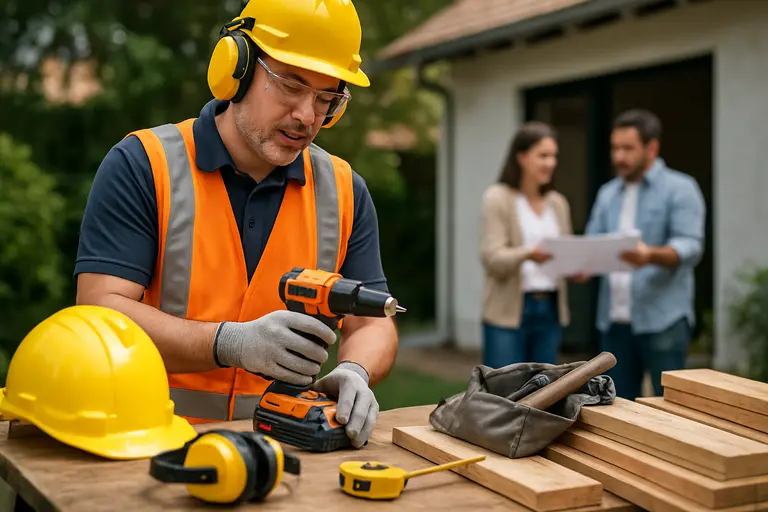
Tool buying should follow project scope, not enthusiasm. A homeowner assembling freestanding furniture or adding non-permanent storage may need only basic measuring, fastening and leveling tools suited to the product instructions. A homeowner cutting masonry, modifying surfaces, working near utilities or building supports is in a different risk category and should reconsider whether the work belongs with a licensed contractor.
- Map the cooking, prep, serving and cleanup zones before selecting appliances.
- Identify any plumbing, electrical, gas, heating or structural work early.
- Check manufacturer clearance and installation requirements before final layout decisions.
- Keep storage close to the task it supports, not just where it looks balanced.
- Phase the project if the full appliance package strains the budget or schedule.
Smart project planning also includes restraint. A cordless tool platform, laser measure or outdoor-rated work light can make layout and assembly easier, but tools do not reduce the hazards of utility work or structural changes. If the project depends on safe power, water, drainage, fuel or load-bearing details, hire qualified professionals and use DIY effort for planning, cleanup, product research and low-risk assembly.
Know Where DIY Should Stop
The clearest warning sign is when a project moves from placement to systems. Setting a movable prep cart is not the same as installing a built-in island. Choosing cabinet locations is not the same as anchoring them into masonry or framing. Comparing refrigerators is not the same as adding an outlet. These distinctions help keep a useful outdoor upgrade from becoming an unsafe one.
Permits and inspection requirements vary by location and project type, so homeowners should ask local officials or qualified contractors before work begins. That step is less exciting than choosing finishes, but it can prevent rework and reduce safety risks. It can also clarify whether a desired layout is practical before the patio is opened up or materials arrive.
Planning Functional Outdoor Kitchens For Daily Use
A Practical Decision Filter
The strongest case for functional outdoor kitchens is not that they imitate indoor kitchens outdoors. It is that they remove friction from outdoor living. The 2026 Houzz data points to more cooking areas, more built-in systems, more storage and a shift toward comfort-led renovation. Those are meaningful trends, but they should be applied with discipline.
Start with three questions: How often will the space be used? Which tasks are annoying with the current setup? Which systems are required to solve those problems safely? If the honest answers point to a grill, prep counter and storage, stop there. If they point to plumbing, refrigeration, heating or a structure, involve the right trades early. The better outdoor kitchen is not always the largest one; it is the one that fits the household’s routine without creating avoidable risk.