
Low-Maintenance Landscaping is no longer just a preference for people who dislike mowing. It is becoming a practical response to water limits, time pressure, and the higher expectations homeowners have for outdoor rooms. The 2026 U.S. Houzz Outdoor Trends Study, based on 1,191 homeowners, found that low-maintenance plants were selected by 73% of renovating homeowners, native plants by 55%, and drought-resistant plants by 49%; Houzz reported that all three categories rose by 3 to 4 percentage points compared with 2024 Houzz Outdoor Trends Study.
That pattern matters because it points to a measured shift rather than a short-lived style cycle. Owners are still investing in outdoor areas, but many are trying to reduce the chores attached to those spaces. A lower-upkeep garden is not automatically cheaper, and it is not maintenance-free. The better question is whether each choice reduces recurring work without creating new drainage, heat, weed, or repair problems.
Why Low-Maintenance Landscaping Is Shifting Yard Plans
Low-Maintenance Landscaping Starts With Less Lawn
The lawn is receiving closer scrutiny in 2026 because it concentrates several recurring tasks in one surface: mowing, edging, watering, fertilizing, and seasonal repair. Houzz reported that lawn projects fell to 31% of outdoor renovation projects, down 4 percentage points from the prior year. In the same study, synthetic lawns rose to 19%, hardscaping reached 57%, and mulch installation reached 51%.
Those figures do not mean every yard should lose its grass. Turf still makes sense for play areas, pets, and open visual space. The planning mistake is treating the whole yard as one uniform surface. A more useful approach is to keep lawn where it earns its upkeep and replace weak or rarely used areas with planting beds, groundcovers, gravel, mulch, or paved circulation routes.
Cost Control Means Cutting Repeat Tasks
Repeat labor is often where outdoor projects become frustrating. A bed that looks affordable at installation can become expensive if it needs frequent watering, pruning, spraying, or replacement. The same is true for a hard surface that is placed without enough thought about runoff or weed pressure. A practical budget should include installation, water demand, annual refreshes, tool needs, and the likelihood of professional service.
Homeowners planning larger projects should also separate design choices from construction risk. Planting, light mulching, and container placement are reasonable DIY tasks for many people. Retaining walls, major grading, drainage changes, outdoor electrical work, gas lines, large tree work, and extensive paving should be handled by qualified professionals. Those jobs carry safety, code, and long-term performance concerns that go beyond typical weekend work.
Plant Choices That Reduce Water And Rework
Native, Drought-Resistant And Compact Planting
Native and drought-resistant plants are gaining attention because they can reduce the mismatch between a garden and its local conditions. A plant that needs constant rescue watering, pruning, or pest treatment is not a low-upkeep choice, even if it looks attractive on installation day. Buyers should ask how large each plant gets at maturity, how much water it needs after establishment, and whether it has known pest or disease issues in the area.
Compact plant varieties can also reduce work, especially near paths, patios, windows, and narrow side yards. Oversized shrubs often create years of shearing and disposal. A smaller cultivar may cost more at purchase but can be more realistic for tight spaces. The cautious approach is to check mature height and width, not just the container size at the nursery.
Water-Wise Beds Need Local Decisions
Water-saving design depends heavily on local weather, soil, and restrictions. AP News reported on April 30, 2026, that gardeners in drought-prone regions were using methods such as waffle beds, selecting plant varieties suited to prevailing conditions, and adapting layouts to minimize water use and upkeep AP drought gardening report. The lesson for homeowners is not to copy one technique everywhere, but to match bed layout and plant selection to site conditions.
For edible beds, this may mean smaller plots with better soil preparation rather than large areas that become hard to water. For ornamental beds, it can mean grouping plants with similar water needs so irrigation is not wasted on plants that require different care. If irrigation lines need to be moved, extended, or connected to a home plumbing system, hire a qualified irrigation or plumbing professional where required by local rules.
Hardscape, Mulch And Groundcovers Need A Plan
Where Gravel And Pavers Help
Hard surfaces can reduce mowing and create useful outdoor rooms, but they are not automatically the lowest-maintenance answer. Gravel can migrate into beds, collect leaves, or become uncomfortable in high-traffic areas. Pavers can settle if the base is poorly prepared. Solid surfaces can increase runoff if drainage is ignored.
The best candidates for hardscape are places where foot traffic is already damaging turf or where furniture needs a stable base. Paths, seating pads, trash-bin routes, and grill areas often benefit from a more durable surface. For heavy patios, steps, retaining edges, or drainage-sensitive sites, professional installation is usually the safer choice. Poor base work can be expensive to correct after the surface is finished.
Mulch Is Not A Set-And-Forget Material
Mulch remains popular because it can suppress weeds, moderate soil temperature, and give beds a finished look. It still requires judgment. Too much mulch piled against trunks or stems can harm plants, while thin or degraded mulch may stop controlling weeds. Organic mulch also breaks down, which can be beneficial for soil but means periodic replenishment.
Groundcovers can fill a similar role, but they should be chosen carefully. A plant that spreads aggressively beyond its assigned area can become the very maintenance problem it was meant to solve. Before planting, confirm whether the groundcover is appropriate for local conditions and whether it is known to be invasive in your region.
Project Planning For Owners And Renters
For Homeowners
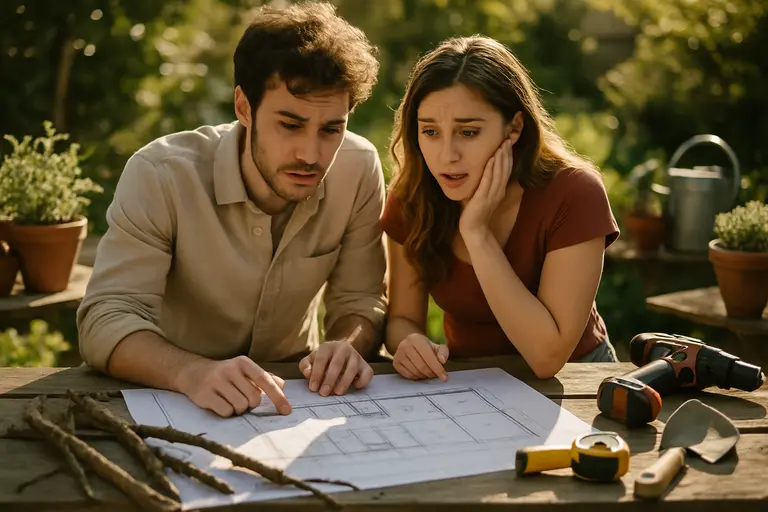
Owners have the widest range of options, but they also carry the highest risk if a project causes drainage trouble or reduces usable space. Start with a simple map of sun, shade, wet spots, dry spots, traffic routes, and views from inside the home. Then divide the yard into zones: keep, simplify, replace, and hire out. That structure helps prevent expensive all-at-once projects that solve one problem while creating another.
For readers weighing various property investment options, they might find valuable insights on a related platform by visiting Jimmy Guthrie Real Estate, which serves as a complementary real estate resource. For project-specific reading on lower-upkeep outdoor choices, HighProTools has covered related yard-planning analysis that fits the same practical decision process.
For Renters
Renters should avoid permanent changes without written approval from the property owner. Containers, raised planters that do not damage surfaces, removable drip systems, and small seating changes are usually more realistic than removing turf or installing hardscape. Even then, weight matters on balconies and decks. If there is any question about load limits, drainage, or attachment points, ask the property manager or a qualified professional before adding heavy planters or structures.
Renters can still reduce upkeep by choosing containers with appropriate drainage, grouping pots by water need, and selecting plants that tolerate the site’s sun exposure. A smaller number of healthy containers usually beats a crowded collection that needs daily rescue care.
Low-Maintenance Landscaping For 2026 Gardens
Low-Maintenance Landscaping works best as a planning method, not a promise that the yard will care for itself. The 2026 direction is clear: homeowners are favoring plants and materials that reduce watering, mowing, and repeated replacement. Yet every choice still has tradeoffs. Synthetic turf, gravel, mulch, native beds, and paved areas can all succeed or fail depending on placement, drainage, heat exposure, and maintenance expectations.
The most reliable Low-Maintenance Landscaping plan keeps useful lawn, removes weak lawn, selects plants for local conditions, and reserves professional help for work with safety or code risk. That cautious mix is more likely to produce a garden that stays usable after the first season, which is the real test of any lower-upkeep yard upgrade.