
Smart Outdoor Tech is no longer limited to a video doorbell near the front entry. In 2026, the outdoor side of the connected home includes cameras, lighting, lawn-care controls, cooking areas, recreation spaces, and monitoring tools. The shift is practical: homeowners want safer entries, better water use, easier project planning, and fewer devices that feel disconnected from daily life.
The caution is that outdoor systems face harsher conditions than indoor devices. Sun, rain, cold, weak Wi-Fi, and hardwired power needs can turn a promising purchase into a frustrating one. Homeowners should compare features against the actual project, not against the longest spec sheet. For hardwired lighting, exterior outlets, major irrigation changes, gas lines, roofline cameras, or work at height, hire qualified professionals rather than treating the job as a weekend experiment.
Why Smart Outdoor Tech Is Moving Outside
Where Smart Outdoor Tech Starts To Make Sense
NielsenIQ reported on September 15, 2026, that 75% of renovation shoppers would consider adding smart technology, and it identified outdoor technology across lawn care, outdoor cooking, recreation, and home monitoring as a second wave of innovation NielsenIQ smart home report. The same report said 58% of consumers cited lower utility bills as a top reason for upgrading to smart devices, while 49% said AI-based recommendations would affect purchase choices.
Those figures help explain why outdoor products are getting more attention. A camera that distinguishes people from motion, an irrigation controller that responds to soil or weather inputs, or a lighting setup that can be scheduled may have a clearer use case than a novelty gadget. The better reading is that Smart Outdoor Tech is gaining ground where it solves routine outdoor problems: visibility, access, water use, and repeat tasks.
Security Is Ahead Of Lighting
The 2026 U.S. Houzz & Home Renovation Trends Study found that among outdoor technology items purchased in 2025, smart security cameras were far more common than standard cameras, at 25% versus 3%. Outdoor lighting showed the reverse pattern: standard fixtures remained more popular than smart versions, at 21% versus 8% Houzz renovation study.
That gap is useful for planning. Cameras deliver a direct monitoring benefit, so homeowners appear more willing to choose connected versions. Lighting is different. A standard exterior fixture may already meet the need for visibility, and the extra cost or setup of app control may not feel justified for every path light or wall sconce. A practical plan might put smart features at entries, gates, driveways, and storage areas first, while using simpler lighting in low-risk areas.
What Smart Outdoor Tech Buyers Should Check
Start With The Outdoor Problem, Not The App
Before buying, define the outdoor problem in plain terms. Is the goal to see deliveries, reduce dark zones near a side yard, water less during rainy periods, manage access to a detached garage, or support outdoor cooking and seating areas? That answer should shape the product category and installation budget.
A connected camera may make sense near a door or driveway, but placement can involve privacy, Wi-Fi strength, mounting height, and power. A smart irrigation controller may be attractive if the goal is utility savings, yet the result depends on the existing irrigation layout and local watering rules. Smart lighting may improve convenience, but hardwired fixtures still involve electrical risk. If a project touches household wiring, panel capacity, trenching, gas, plumbing, structural mounting, or tall ladders, bring in a licensed or otherwise qualified pro.
- Power: Confirm whether the device is battery-powered, plug-in, solar-assisted, or hardwired, then match that to a safe installation path.
- Connectivity: Outdoor Wi-Fi can be weaker than indoor coverage, especially around masonry, detached garages, and deep yards.
- Weather exposure: Choose equipment rated for the location, and avoid placing indoor-rated devices under eaves as a shortcut.
- Ongoing support: Check app update history, subscription requirements, storage options, and privacy controls before purchase.
For readers comparing outdoor upgrades across primary homes, rentals, or vacation properties, Weekender Villas provides a valuable perspective on enhancing outdoor spaces tailored to different property types.
AI Features Need A Practical Test
Recommendations Are Useful Only If They Fit The Site
AI-based recommendations are becoming part of the buying conversation, but homeowners should treat them as decision support rather than a substitute for project judgment. NielsenIQ’s finding that 49% of consumers said AI-based recommendations would factor into purchases shows interest, not proof that every AI feature is worth paying for.
For outdoor cameras, the practical test is whether the system reduces unwanted alerts without missing meaningful activity. For irrigation, the question is whether the system can respond to conditions that matter on that property. For outdoor cooking or recreation, app control may help with monitoring or scheduling, but it should not distract from safety basics, clearances, ventilation, and manufacturer instructions.
There is also a data issue. Cameras, doorbells, and outdoor sensors collect information around entries, property lines, vehicles, and guests. Homeowners should review recording settings, cloud storage terms, shared access, and deletion controls. If a system requires a subscription to deliver the feature that justified the purchase, include that cost in the project budget rather than judging only the shelf price.
Project Planning Matters More Than Device Count
Outdoor Upgrades Often Stack Costs
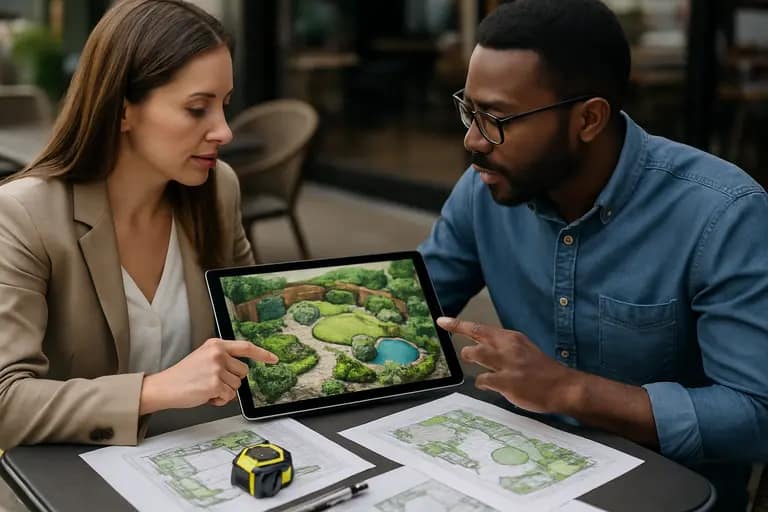
A homeowner may start with one device and quickly run into related work: stronger Wi-Fi, an exterior-rated outlet, a different transformer for lighting, better mounting hardware, or an irrigation inspection. None of those needs is unusual, but they can change the value calculation. A low-cost device can become expensive if the installation requires several supporting upgrades.
This is why project planning should come before brand selection. Walk the property and identify the areas where visibility, water use, access, or comfort needs are strongest. Then group devices by zone. A front-entry zone might include a doorbell, entry light, and lock. A yard zone might involve irrigation control and lighting. A detached garage zone might need access monitoring and better network coverage.
Homeowners considering broader purchases can compare decision factors in this site’s related look at smart tool tech homeowners want, since many of the same questions apply outdoors: interoperability, privacy, safety, setup time, and whether the feature solves a real task.
Smart Outdoor Tech Decisions For 2026 Projects
The most durable Smart Outdoor Tech choices in 2026 are likely to be the ones tied to a clear need. Cameras are supported by stronger renovation-shopping signals than standard outdoor cameras, while lighting shows that many homeowners still prefer conventional fixtures unless connected control adds enough value. Utility savings and AI recommendations are real purchase drivers in the available research, but they should be weighed against installation cost, subscription terms, and site conditions.
A cautious buying process is simple: choose the problem first, price the full installation, check support and privacy terms, and decide where a standard device is enough. Smart features can make outdoor spaces easier to monitor and manage, but the safest projects are the ones that respect electrical, plumbing, gas, structural, and ladder risks. For those tasks, hire qualified professionals and reserve DIY work for low-risk setup, configuration, and routine product maintenance within the manufacturer’s instructions.