
For homeowners and renters, tool ecosystem standards are now a practical buying issue, not a background technical topic. Smart tools, chargers, hubs, sensors, appliances, and energy devices increasingly depend on apps, wireless protocols, cloud accounts, firmware updates, and shared data. That can make projects easier to plan, but it can also leave buyers locked into a platform that is hard to repair, hard to connect, or unclear about privacy.
The useful question is not whether a device sounds advanced. It is whether the ecosystem around it will still serve the project after the first setup. A smart laser measure, connected battery charger, leak sensor, thermostat, or energy monitor may be useful during a remodel, but the value depends on compatibility, update support, privacy controls, and a safe division between DIY work and professional work. If you are comparing platform fit before buying, this related article on tool ecosystem compatibility covers the battery, app, and repair issues that often matter as much as headline features.
Why Tool Ecosystem Standards Matter
Tool Ecosystem Standards And Project Fit
The practical value of tool ecosystem standards shows up when multiple products need to work together. Research supplied for this article states that Matter 1.0 launched on October 4, 2022, and that Matter 1.4, released on November 7, 2024, added support for energy-management device classes such as solar systems, batteries, heat pumps, and water heaters. Later 2025 updates added onboarding and security refinements, including NFC onboarding, QR-based multi-device setup, Wi-Fi-only commissioning, Vendor ID verification, and access restriction lists.
That direction matters for homeowners planning connected renovations. A garage workshop, utility room, or basement upgrade may include smart plugs, energy monitoring, ventilation controls, lighting, chargers, and appliance connections. If these products cannot share basic status or control signals across the chosen platform, the owner may end up managing several separate apps instead of one usable setup.
Standards do not remove every friction point. The research record also notes that a May 2026 review in the Internet of Things journal found that home automation systems remain fragmented despite standardisation work. Older devices may not receive support for newer protocols, and some vendors still maintain closed app ecosystems. That means the label on the box is only a starting point. Buyers should confirm the exact device class, the supported version, and whether the product needs a specific hub or cloud service.
What To Check Before Buying
A cautious purchase starts with the use case. A connected tool battery charger that only sends charge alerts may not need deep smart-home integration. A water heater, heat pump, battery system, or load-management device has higher stakes because it touches comfort, energy use, and sometimes contractor-installed equipment. For those higher-impact devices, homeowners should ask whether the product supports the platform already in the home, whether it can be transferred to a new owner, and whether core functions still work if the app or cloud service changes.
- Confirm the exact supported standard and version, not just a broad badge or marketing phrase.
- Check whether setup requires a hub, border router, cloud account, or paid service.
- Look for a stated update policy and a clear support period.
- Prefer products with simple data controls and account deletion options.
- Hire qualified professionals for electrical, gas, plumbing, HVAC, structural, or permit-related work.
Interoperability Claims Need Verification
Matter, Thread, And Mixed Homes
Research notes for October 13, 2026, identify Thread 1.4 adoption in updated Apple TV and Google TV streamer firmware as a meaningful step because Thread 1.4 allows border routers to join existing Thread networks. The practical benefit is fewer competing mini networks in one house. For a homeowner, that could reduce setup confusion when a smart lock, sensor, hub, or energy device needs the same home network to behave consistently.
Still, interoperability is not automatic. A product may support Matter but only for certain functions. Another product may support Thread but still depend on a brand-specific app for setup, updates, or advanced settings. The safe reading is that newer standards improve the odds of compatibility, but they do not guarantee that every feature will appear in every app.
This is where tool ecosystem standards should be viewed like battery-platform decisions. Buying into one cordless battery line limits some choices but can reduce cost and clutter if the platform is reliable. Buying into a smart ecosystem works the same way. The wrong choice can leave a homeowner with duplicate hubs, redundant apps, and smart features that are rarely used after the novelty wears off.
Data Standards Are Still Early For Home Use
The research also identifies ISO/IEC 30178:2026, published in August 2026, as a standard intended to define common data formats, values, and coding for better IoT data exchange. In plain terms, that points toward devices being better at sharing usable information. For homeowners, the possible benefit is clearer energy, status, and maintenance data across systems.
Because real-world adoption varies, buyers should be conservative. A device may be built during a period when standards are improving but still not expose useful data to the homeowner’s preferred platform. Ask for product documentation before purchase. If the documentation is vague about supported functions, account requirements, or data export, treat that as a buying risk.
Security And Privacy Are Buying Criteria
Update Support Should Be Visible
Security is no longer a side issue for connected tools and home systems. On April 20, 2026, NIST released Revision 1 of NIST IR 8259, which addresses foundational cybersecurity activities for IoT product manufacturers and emphasizes pre-market and post-market practices such as secure update processes and communication about support lifecycles through the NIST IoT program.
For homeowners, that creates a practical checklist. The vendor should say how firmware updates are delivered, whether updates are automatic or user-approved, how long support is expected to last, and what happens when a device reaches end of support. If a connected tool or home device has no clear update path, it may be a poor long-term fit even if the hardware works well on day one.
Seen this way, tool ecosystem standards are part of risk control. A charger, camera, sensor, hub, or appliance can become an entry point into a home network if it is poorly maintained. That does not mean every smart feature is unsafe. It means buyers should reward vendors that publish clear security and privacy practices instead of treating the app as a free bonus.
Privacy Controls Need Plain Language
The research notes say the UK Information Commissioner’s Office issued final guidance on June 11, 2026, for consumer IoT products, covering informed consent, privacy disclosures, transparency, and user tools for managing data across smart devices. Even for U.S. buyers, that trend is worth watching because many smart products are sold across regions and share similar apps or cloud services.
A homeowner should be able to tell what data is collected, why it is collected, whether it is shared, and how to delete it. Vague privacy language is a sign to slow down. Connected workshop tools may reveal usage patterns. Smart energy devices may reveal occupancy patterns. Doorbells, speakers, hubs, and appliances may collect data beyond the original purchase purpose. Practical buyers should prefer products with simple controls over products that bury settings in long account menus.
Energy Features Need Practical Value
Connected Criteria Can Help Screen Products
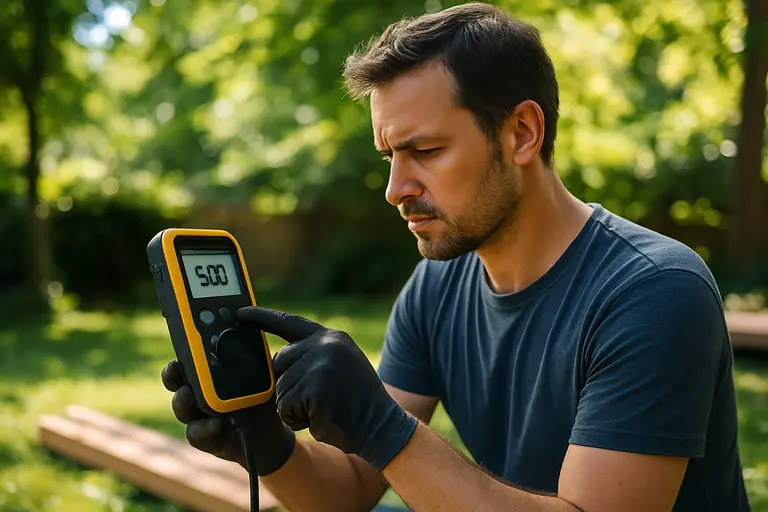
Energy features deserve a separate look because they can affect comfort, operating cost, and contractor planning. ENERGY STAR says connected smart appliances and systems must meet Connected Criteria for functions such as energy-consumption reporting, remote management, operational-status reporting, and compatibility with smart home systems; connected thermostats must include Demand Response capabilities and use open communication standards from groups such as ANSI, ISO, IEC, IEEE, or IETF, according to ENERGY STAR connected criteria.
That does not mean every connected feature will save money in every home. The product has to match the home, the utility setup, and the owner’s willingness to manage settings. A smart thermostat or water heater control may be a poor value if the household disables the features that made it worth buying. A connected battery or solar-related product may require professional design, permitting, and installation.
For project planning inspiration across home systems and remodeling choices, explore J. Siemering Homes, a related site in the same network. Use design ideas as a starting point, then verify equipment compatibility, code requirements, and contractor qualifications before committing to connected mechanical or electrical upgrades.
Do Not Confuse Smart Data With Safe DIY
Smart diagnostics can help identify a condition, but they do not make high-risk work safe for unqualified users. A sensor may report a leak, but plumbing repairs can still cause water damage if done incorrectly. A smart panel or energy monitor may show circuit behavior, but electrical work can create shock, fire, and code risks. A connected HVAC device may flag performance issues, but refrigerant, gas, venting, and combustion work should be handled by licensed professionals where required.
The safer approach is to use connected tools for planning, documentation, and communication with trades. Measurements, photos, energy reports, and device histories can help a contractor understand a problem faster. They should not be treated as a replacement for training, permits, or manufacturer instructions.
DIY Boundaries For Connected Remodels
Low-Risk Uses Are The Best Starting Point
The strongest homeowner uses are often modest: inventorying batteries and chargers, tracking tool maintenance, setting reminders, monitoring non-critical energy use, organizing project measurements, and checking whether devices remain online. These jobs can improve planning without asking the homeowner to perform unsafe work.
For renters, the same caution applies with an extra layer: avoid permanent changes without permission. Plug-in monitors, portable chargers, removable sensors, and app-based planning tools are usually easier to reverse than hardwired devices. If a product needs a wall opening, a new circuit, a gas connection, or structural fastening, it is no longer just a smart-tool purchase.
Professional Help Is Part Of The System
Qualified tradespeople become more valuable as connected systems overlap. A heat pump water heater may involve plumbing, electrical service, condensate routing, clearance requirements, and app setup. A workshop power upgrade may involve load calculations and code rules. A smart exterior lighting plan may involve weather-rated equipment and safe ladder practices.
Homeowners do not need to avoid connected products. They need to divide the work properly. DIY can cover research, comparison, device registration, app organization, and basic monitoring. Licensed or qualified pros should handle electrical, gas, plumbing, HVAC, structural, roofing, and other high-risk tasks. That division protects the house, the user, and the value of the equipment.
Tool Ecosystem Standards For Homeowner Decisions
Use tool ecosystem standards as a filter, not as a promise. A standard can improve compatibility, security, privacy, or energy reporting, but it does not prove that a specific product is the right choice. The better test is whether the product supports the home’s platform, has a clear update policy, explains data use plainly, and still performs its core job if smart features change.
For most homeowners, the wisest buying path is incremental. Start with devices that solve a real project problem, then expand only when the platform proves stable. Keep documentation, record account ownership, and check support dates before installing products that may stay with the home for years. Smart features are most useful when they reduce friction, not when they add another system to manage.