
Cordless Tool Ecosystems are now a practical buying issue for homeowners, not just a brand-loyalty question for contractors. The decision is no longer only whether a drill has enough torque or whether a saw feels comfortable. For many DIY buyers, the larger question is whether the battery platform behind that first tool will still make sense after the next repair, outdoor project, storage upgrade, or remodel task.
The sales data supports that shift. In 2023, cordless electric tools accounted for 68% of U.S. power-tool sales, according to The Freedonia Group. Globally, the market was more mixed in 2024, with tools estimated at about 46.2% corded, 45.7% cordless, and 8.2% pneumatic or hydraulic, according to a 2024 review of global power tool sales by type published by Capital Market. Those figures do not mean corded tools have disappeared. They do show why battery systems now shape more home workshop decisions than they did a decade ago.
Why Cordless Tool Ecosystems Are Growing
Battery Platforms Reduce Friction
The main appeal is simple: one battery system can power more than one tool. For a homeowner, that can reduce the number of chargers on a shelf and make it easier to keep a small tool kit ready for seasonal work. A drill, impact driver, work light, sander, inflator, trimmer, or blower may all compete for the same battery family, depending on the brand and voltage class.
The shift toward Cordless Tool Ecosystems also fits how many DIY projects actually happen. A homeowner may start with a basic fastening job, then need a light, an oscillating multi-tool, or a small saw during the same weekend. If those tools share batteries, the buyer may spend less time comparing standalone kits and more time thinking about the platform’s long-term usefulness.
Convenience Has Limits
Convenience should not be confused with universal value. A cordless platform can encourage unnecessary tool purchases if the buyer treats battery compatibility as a reason to buy every matching product. That is where careful planning matters. A compact kit may be enough for apartment furniture assembly and light repairs. A larger platform may make sense for homeowners who regularly handle fencing, deck repairs, garage storage, trim work, or yard maintenance.
For readers comparing battery systems in more detail, this site’s cordless tool platform buying guide covers the longer-term platform decision. The key point is to judge the battery system against real projects, not against the largest catalog.
What The Sales Shift Means For DIY Buyers
Cordless Tool Ecosystems Start With Batteries
Cordless Tool Ecosystems start with the battery because batteries are the recurring cost and the compatibility lock-in. A bare tool can look inexpensive, but it is only useful if the buyer already owns a compatible pack and charger. A kit can look expensive, but it may be the better purchase if it includes the batteries needed for the next few years of work.
This is why the first purchase matters more than many shoppers expect. Buying a drill kit on sale can effectively choose the battery family for future saws, lights, sanders, and outdoor tools. That is not automatically bad. It can be efficient if the platform matches the home’s likely project mix. It can be wasteful if the platform has limited options in the categories the buyer will need later.
Catalog Size Is Not The Same As Project Fit
A large platform may offer many choices, but the best system for a DIY user is the one that covers the work they actually do. A homeowner maintaining a small condo may value compact drills, drivers, and lights. A homeowner with a detached garage and yard may care more about saws, blowers, string trimmers, and higher-capacity batteries. A renter may need portability and storage efficiency more than maximum runtime.
Cordless Tool Ecosystems also create a buying habit that deserves caution: adding tools because the battery is already owned. That can be sensible when the tool solves a repeated problem. It is less convincing when the task is rare, rental is cheaper, or a qualified professional is the safer choice.
Buying Criteria Before Joining A Battery Platform
Match Voltage Class To Workload
DIY buyers should first separate light household tasks from heavier remodeling work. Low-voltage compact tools can be easier to store and handle, especially for furniture assembly, cabinet hardware, light drilling, and small repairs. Higher-voltage platforms may be better suited to heavier cutting, outdoor tools, and longer runtime needs, but they can also cost more and add weight.
The practical test is not whether a platform looks powerful on paper. It is whether the tool, battery, and charger combination fits the work, storage space, and user comfort. For many homeowners, ergonomics and battery availability matter as much as peak output.
Use A Short Buying Checklist
- Project history: List the jobs completed in the last two years, not imagined future projects.
- Next-tool path: Confirm that the platform includes the next two or three tools likely to be needed.
- Battery cost: Compare kit prices with the cost of adding spare batteries later.
- Storage: Consider charger footprint, pack quantity, and whether tools fit existing shelves or cases.
- Service and availability: Check whether batteries and chargers are easy to find from reputable sellers.
Homeowners weighing upgrades against broader property plans may also want to place tool purchases in the context of maintenance priorities. Topics related to housing and project planning are covered by Jimmy Guthrie Real Estate LLC, offering insights into how tool purchases can align with routine upkeep or larger home improvement projects.
Safety Boundaries And Project Fit
Some Work Should Not Be A DIY Test Case
Battery convenience can make tools feel more approachable, but it does not reduce the risk of high-consequence work. Electrical service work, gas lines, major plumbing, structural changes, roofing, and jobs requiring difficult ladder positioning should be handled by qualified professionals. A cordless tool can make drilling, cutting, and fastening easier; it cannot verify code compliance, load paths, safe shutoffs, or hidden hazards.
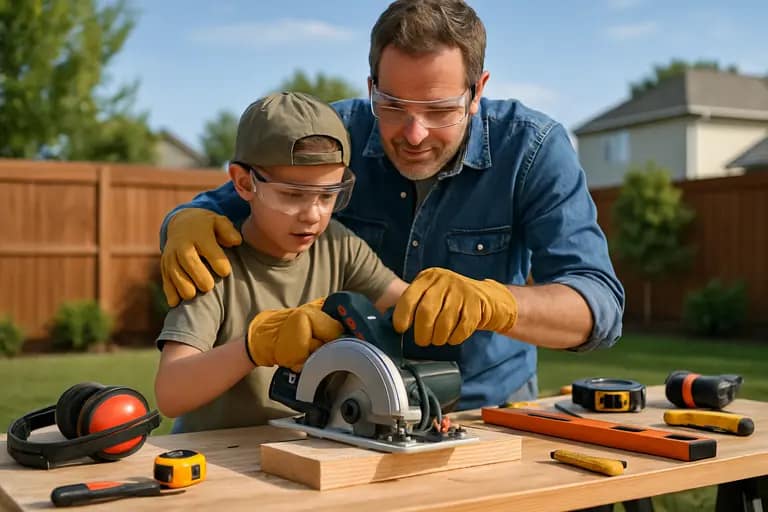
For medium-risk DIY work, the safer approach is to keep the scope small, read the manufacturer’s manual, use appropriate eye and hearing protection, and stop if the task reveals wiring, plumbing, rot, or structural uncertainty. If a project requires permits or trade-specific knowledge, the tool purchase should not be used as justification to proceed alone.
Smart Features Should Earn Their Keep
Some cordless platforms now pair tools with tracking, app-based settings, battery diagnostics, or alerts. Those features can help certain users, especially anyone sharing tools or managing multiple batteries. For many homeowners, though, the highest-value features remain simpler: reliable batteries, comfortable handles, clear controls, and tools that fit the work.
This cautious approach matters because smart features can add cost without improving the finished project. If a connected feature helps prevent misplaced tools, monitor battery condition, or improve repeatable settings, it may be worth considering. If it mainly adds setup time, it should not outweigh fit, safety, and basic performance.
Cordless Tool Ecosystems For Practical DIY Planning
Cordless Tool Ecosystems make the most sense when buyers treat them as home-maintenance infrastructure. The first kit should not be judged only by the tool in the box. It should be judged by the likely second, third, and fourth tools, the cost of spare batteries, the charger setup, and the type of work the household actually does.
The U.S. and global sales data show why cordless tools have become central to buying decisions, but they do not prove every homeowner needs a large platform. Corded tools can still make sense for stationary, high-demand, or infrequent tasks where access to power is easy. Cordless tools are strongest when mobility, quick setup, and shared batteries reduce friction across repeated jobs.
A measured buying strategy is usually better than chasing the largest system. Start with the project list, identify the tools that will be used often, and check whether the platform supports those categories at a reasonable battery cost. For DIY enthusiasts, that approach turns Cordless Tool Ecosystems from a marketing promise into a more disciplined way to build a safer, more useful tool kit.