
In 2026, home repairs are taking a stronger position in project planning because many owners are facing higher costs, aging systems, and less appetite for optional remodeling. The practical question is not whether a new kitchen, bath, deck, or design refresh has value. The question is whether the house has unfinished maintenance that could become more expensive, unsafe, or disruptive if it waits.
That shift does not mean discretionary upgrades should disappear from the plan. It means homeowners need a stricter ranking system. Repair-first planning protects function, safety, and basic livability before money moves to appearance-driven work. For owners who are weighing their options in maintenance, renovation, and resale, consulting a niche-focused site like Jimmy Guthrie Real Estate LLC can help frame local market conversations without replacing contractor estimates or inspection findings.
Why Home Repairs Lead 2026 Planning
Cost Pressure Has Changed Project Order
Several 2026 spending signals point in the same direction: owners have not stopped spending on their homes, but they are becoming more selective. In April 2026, the U.S. Houzz & Home Study reported that median renovation spending held steady at $20,000 in 2025, while planned renovation spending for 2026 dropped to $15,000, a sign that many households expected smaller or fewer discretionary projects according to Houzz.
The same Houzz study reported that 54% of homeowners completed a renovation in 2025 and 47% made repairs. Planned activity softened for 2026, with 50% planning home projects, decorating down to 41%, and repairs down to 35%. Those figures do not show a collapse in project interest. They suggest tighter screening, especially for work that is nice to have rather than necessary.
Home Repairs Before Cosmetic Work
Home repairs should move ahead of cosmetic work when a defect affects safety, weather protection, moisture control, heating and cooling, plumbing reliability, or electrical safety. A room can live with dated finishes longer than it can live with active leaks, failing exterior components, recurring drain problems, or an overloaded electrical system.
This is where disciplined project sequencing matters. A homeowner may prefer new flooring, but a subfloor moisture issue changes the order. A bathroom refresh may look manageable, but hidden plumbing problems or ventilation failures should be priced first. The cautious approach is to fund the defect, confirm the cause, and then decide whether the upgrade still fits the budget.
What The Spending Data Supports
Essential Work Is Not The Same As Optional Remodeling
The Harvard Joint Center for Housing Studies reported in Improving America’s Housing 2025 that, out of $405 billion in improvement spending, discretionary projects such as kitchen and bath remodels and room additions made up 30%, or about $121 billion. Replacement of core home components accounted for about half of total spending in the Harvard report. That split is useful for 2026 planning because it separates lifestyle projects from the replacement work that keeps a home functioning.
Research notes from August 2026 also pointed to a repair-first pattern: Angi’s 2026 State of Home Spending Pulse reported that recent pro-hirers were more likely to complete maintenance and repair work than renovations. Tinuiti’s May 2026 home services research showed increased spending on repairs and maintenance, while more respondents spent less on discretionary home improvement. These signals fit the same practical reality: owners may still improve their homes, but many are protecting the basics first.
HIRI’s Q1 2026 tracker added another caution. Fewer homeowners completed improvement projects in Q1 2026 than in Q1 2025, yet average spending per project increased. That combination can occur when owners delay optional work but still pay for needed projects that cannot be ignored. For homeowners building a 2026 budget, the lesson is to avoid treating every project as equal. Some costs are optional; others are deferred risk.
How To Separate Repairs From Upgrades
Use A Risk-Based Ranking
A practical ranking starts with what could cause damage, safety exposure, or system failure. Roof leaks, water intrusion, unsafe stairs, failing HVAC during extreme temperatures, and electrical problems should not compete on the same line as paint colors or cabinet hardware. That does not make every repair urgent, but it gives owners a rational first filter.
- Tier 1: Safety and active damage. Examples include suspected electrical hazards, structural movement, active leaks, gas concerns, and unsafe walking surfaces. Hire qualified professionals for high-risk inspection and repair.
- Tier 2: System reliability. HVAC, plumbing, roofing, drainage, and appliances that are near failure may deserve funding before appearance upgrades.
- Tier 3: Preventative maintenance. Cleaning, servicing, sealing, drainage corrections, and small fixes can reduce the chance of larger work later.
- Tier 4: Discretionary upgrades. Finish changes, layout improvements, decorative work, and amenity projects can proceed after higher-risk items are funded.
Budget For Discovery, Not Just Visible Work
Repair planning should allow for discovery. A contractor may open a wall and find damage that was not visible. A roof estimate may change after decking is exposed. A bathroom project can reveal ventilation or water-damage issues. This is why a project budget should include a contingency rather than spending every available dollar on the preferred finish package.
For owners who want a deeper planning model, this site’s related discussion of budget overages in home projects explains why contingencies and phased scopes matter. The same idea applies here: plan the repair first, then decide whether an upgrade belongs in the same phase or a later one.
Where Professional Help Is Worth The Cost
High-Risk Work Needs Qualified Trades
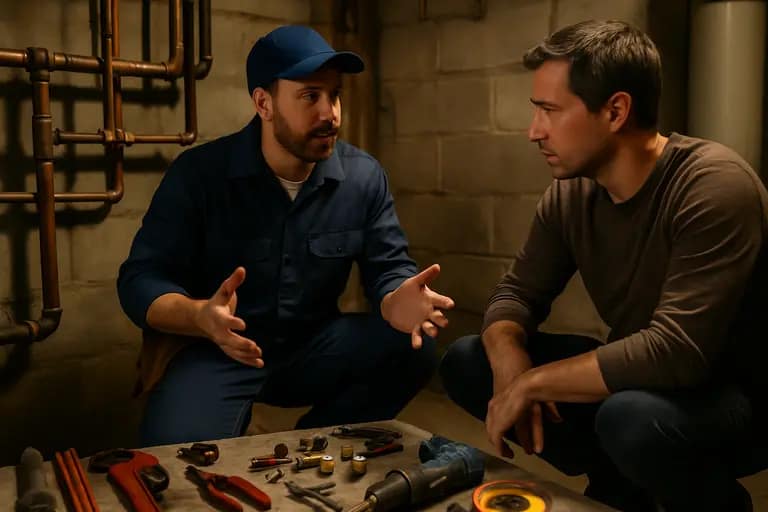
DIY can make sense for low-risk maintenance, minor finish work, and basic upkeep within a homeowner’s skill level. It is not a safe substitute for licensed or qualified help on electrical, gas, structural, roofing, major plumbing, HVAC refrigerant, or complex ladder work. Those tasks can create injury risk, code concerns, fire risk, water damage, or system failure if handled incorrectly.
Professional help is also valuable when the problem has an unclear cause. Repainting a stained ceiling without finding the leak is not a repair strategy. Replacing flooring without correcting moisture intrusion only hides the issue. Paying for diagnosis may feel less satisfying than buying visible materials, but it can prevent repeat work.
Discretionary Upgrades Still Need Scope Control
Discretionary work is not wasteful by definition. A better kitchen layout, safer bath access, improved lighting, or more usable outdoor space can support daily life. The caution is scope control. Optional projects should be sized around the money left after essential work, not funded by ignoring defects.
A good test is simple: if the upgrade were delayed six months, would the home become less safe, less weather-tight, or more likely to suffer damage? If the answer is no, the project may be a candidate for phasing. If the answer is yes, it probably belongs closer to the repair side of the ledger.
Home Repairs Priority Checklist
Home repairs deserve first claim on the 2026 project budget when they protect the structure, reduce safety risk, or keep major systems working. Cosmetic upgrades can still be planned, but they should be matched to realistic spending limits and separated from unresolved defects.
The strongest 2026 strategy is not a blanket pause on remodeling. It is a clear order of operations: inspect, rank risk, price essential work, set a contingency, hire qualified professionals for hazardous tasks, and then decide which upgrades remain affordable. That approach keeps enthusiasm in check without ignoring the long-term value of a well-maintained home.